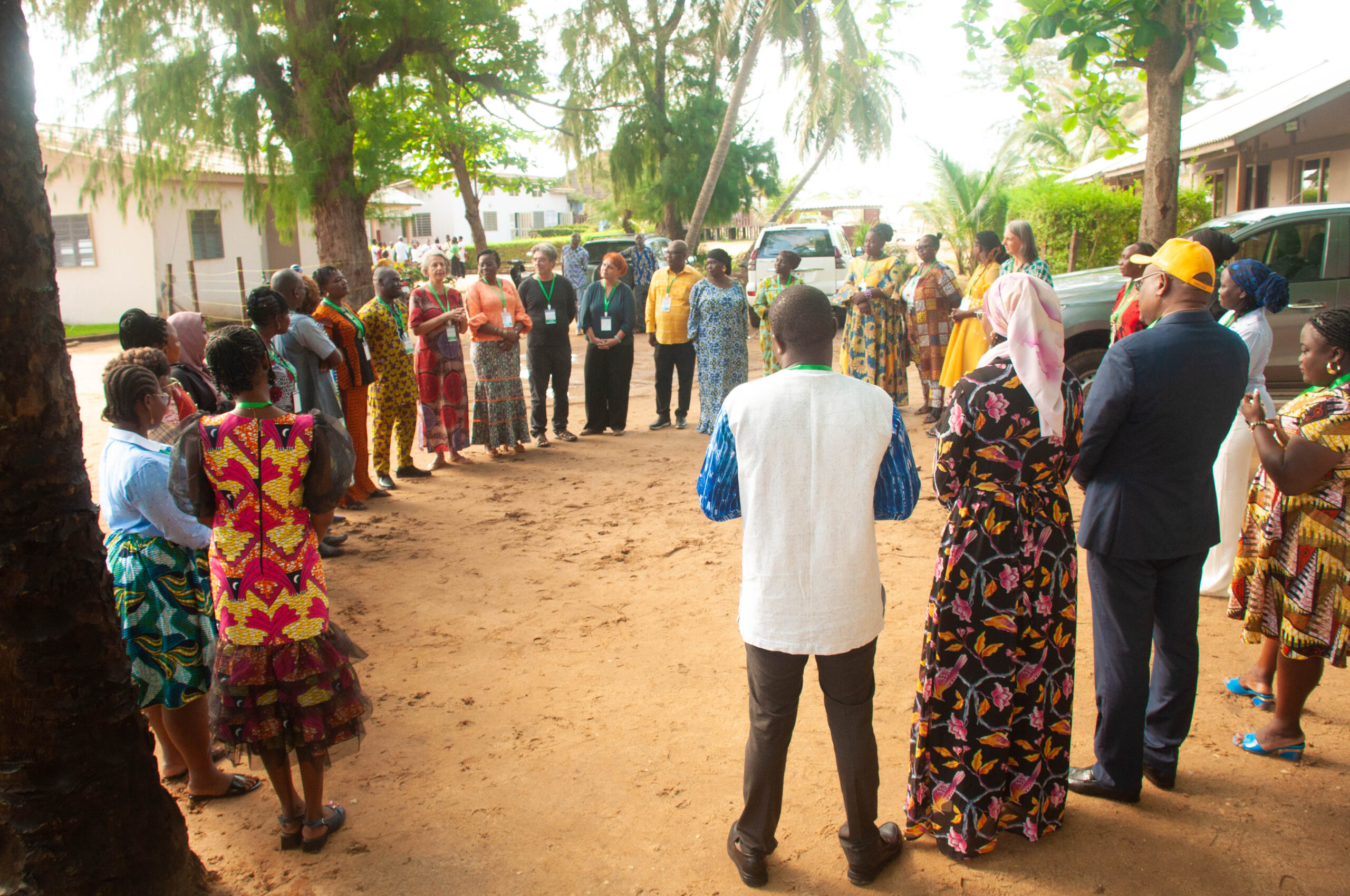
During the month of October 2025, our Tereo association was actively present in several West African countries. Between workshops, institutional meetings, field visits and advocacy work, our teams and partners worked together to strengthen agroecological dynamics, consolidate the emancipation of rural women and deepen local collaborations. Here’s a look back at an intense month in Togo, Benin and Mali.
Lomé (Togo): Workshop to launch the PPL2 project and strengthen synergies
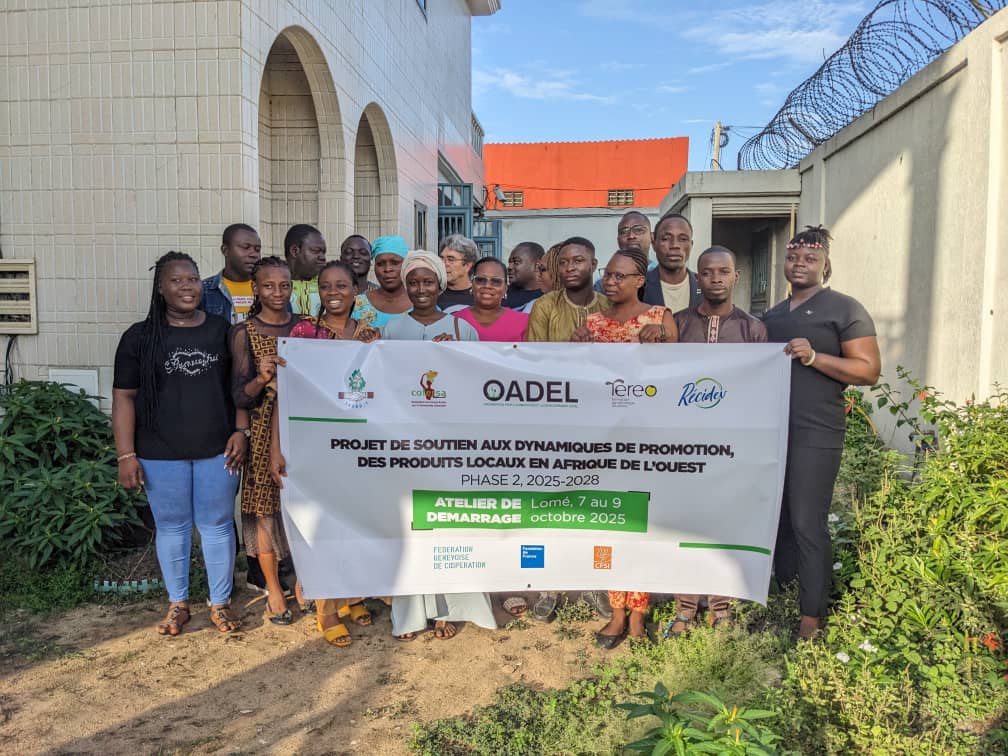
The journey began on October 6, in Lomé, the capital of Togo. It was in this city that a workshop was held to launch the Promotion des Produits Locaux 2 (PPL2) project, organized with our local partner, the Organisation pour l’Alimentation et le Développement Local (OADEL).
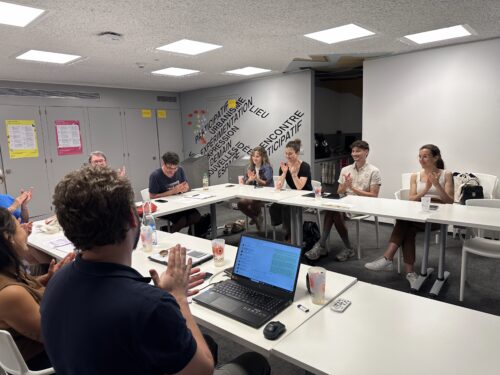
For four days, project managers, administrative managers, a representative of cooperatives from Mali, Burkina Faso and Togo, and coffee and cocoa processing companies met to strengthen links between teams from the three countries, clarify operational aspects of the project and support partners in their work.
The workshop also provided an opportunity to analyse the surveys carried out among the project’s target structures, and to draw out initial observations. It was found that the creation of structured processing companies, the upgrading of players’ skills in marketing and management issues, and changing the public’s perception of local products remain strategic areas for development.
During the workshop, the basics of the issues and challenges involved in marketing local products (chocolate, coffee, shea butter, soumbala, fonio, rice) and capitalizing on experience, an important aspect of the PPL2 project, were also discussed.
Nonvignon (Benin): Intercultural exchanges on the emancipation of rural women
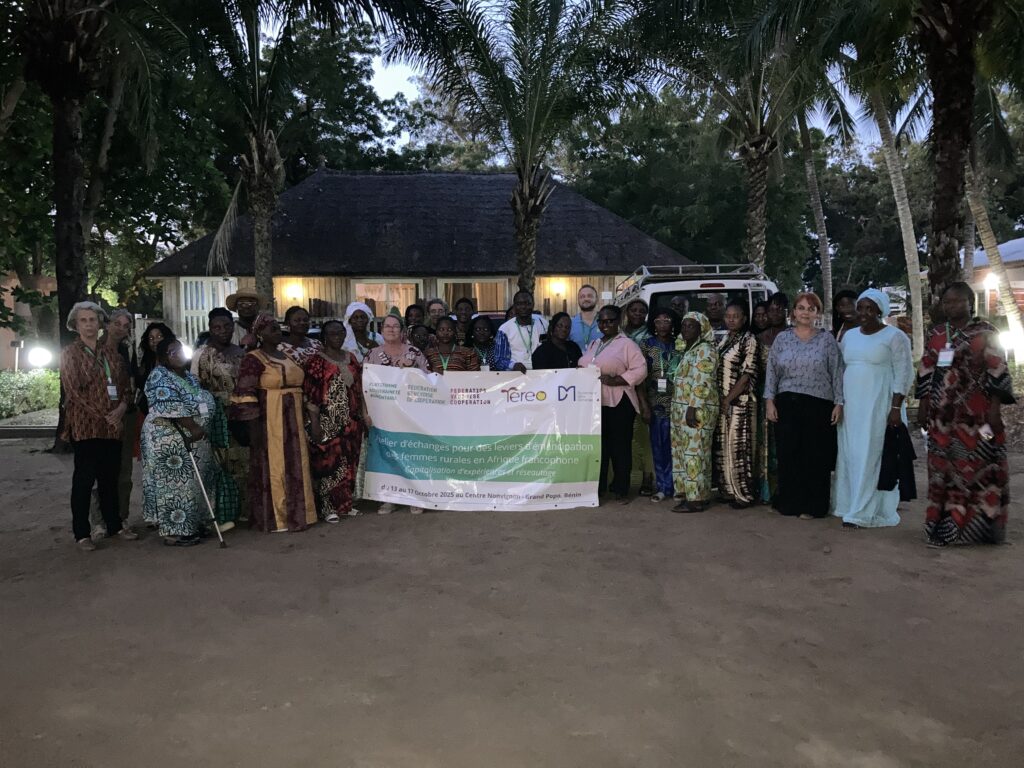
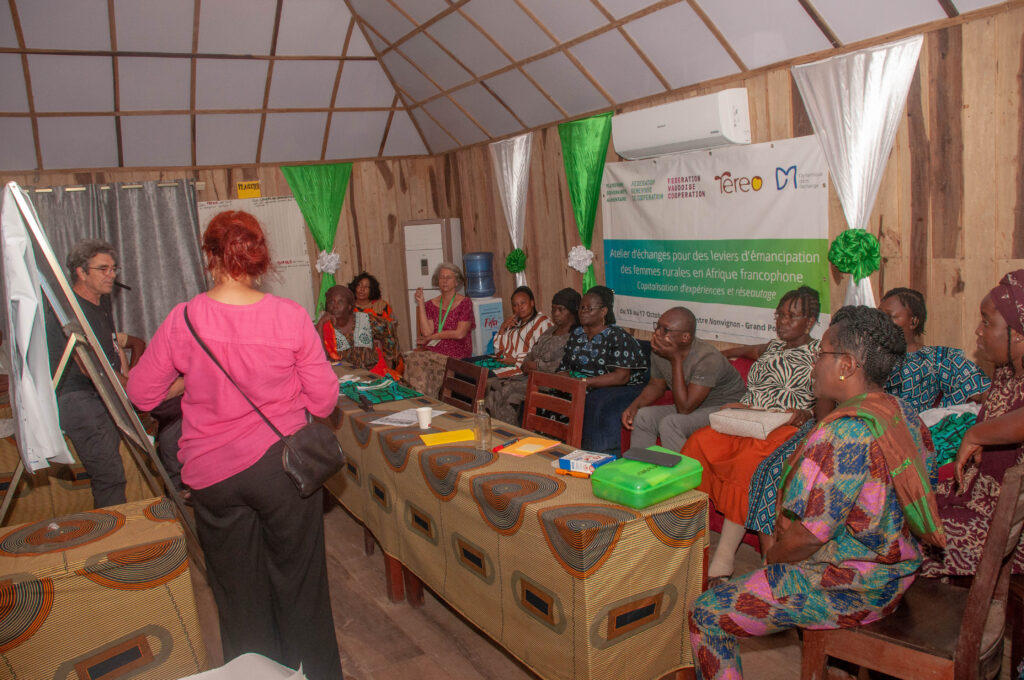
Four days later and some sixty kilometers to the east, another workshop, set up by Tereo in collaboration with the Vaud-based DM organization under the aegis of the Plateforme Souveraineté Alimentaire (PSA) took place over five days at the Centre Nonvignon from ECOBENIN, a partner of our association.
Nearly forty women and a few men from Mali, Senegal, Benin, Togo, Cameroon, the Democratic Republic of Congo, Burundi and Burkina Faso shared and capitalized on their experiences on the theme of empowering rural women in French-speaking Africa.
A shared observation
The theme of women’s emancipation is a crucial one, given that the role of women in agriculture, politics and decision-making is often underestimated or invisible. Even when they are involved in productive activities, they are excluded from planning and organization processes, paid less, steered towards sectors and training courses that limit their opportunities for upward mobility and social and economic emancipation, and confined to menial tasks and the informal economy. They are also more likely to suffer discrimination and violence.
The main objective of this workshop was to identify and implement instruments to reduce resistance within institutions to women’s access to decision-making positions and to resources generated by agricultural activities (production, processing, marketing).
Themes covered over the three days
- Day 1: The first day was devoted to networks, which are essential to sharing experiences, having a positive impact on amplifying women’s voices and addressing their concerns. The different ways of developing them at individual, community, local, regional, national and international levels, as well as how to drive greater public policy commitment towards inclusive programs, were discussed.
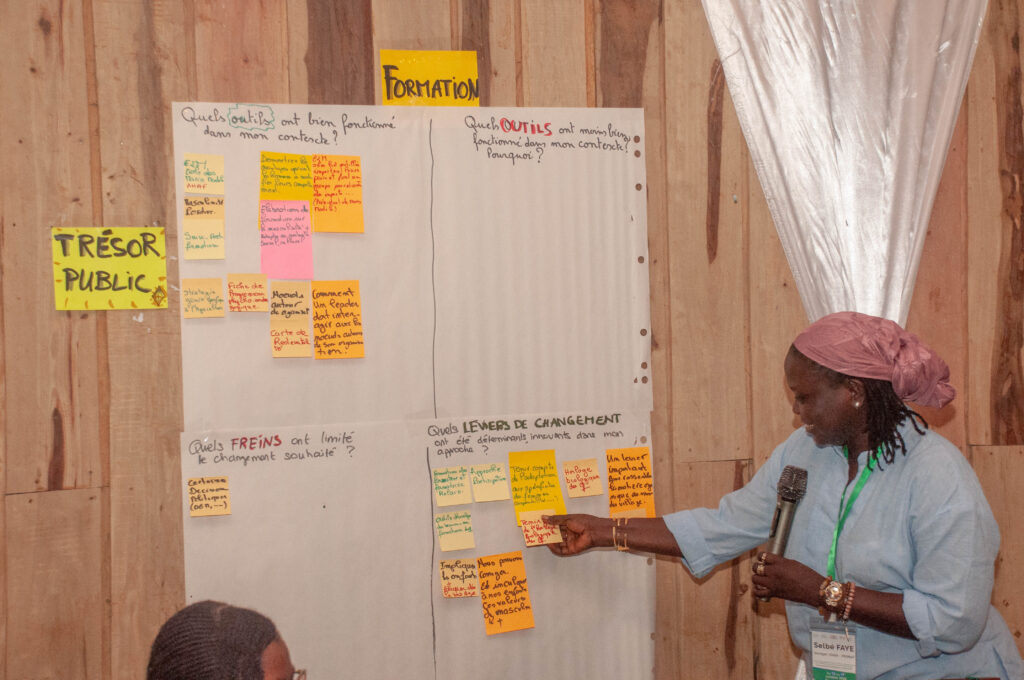
- Day 2: Training was the focus of the second day. Discussions harmonized participants’ knowledge on the subject, giving them the opportunity to demonstrate their skills in women’s leadership, women’s economic empowerment and rural agro-ecological entrepreneurship.
- Day 3: On the third day, analysis of the advocacy experiences of the women’s organizations present revealed three major areas of intervention: access to productive resources (land, credit, inputs), the fight against economic and gender-based violence, and political and civic participation.
The Grand-Popo Declaration
Thanks to these collaborative reflections, we were able to draw up a document in the form of a plea entitled ” Grand-Popo Declaration “which calls on the authorities, as well as customary and religious leaders, to enforce laws, support equitable access to resources, and strengthen the training, economic empowerment and participation of rural women.
This statement was presented to local authorities at the 8th edition of the Agroecological Seed Fair and the restoration of endangered local delicacies in Benin, held from October 17 to 19 in Aplahoué, Couffo department.
Bamako (Mali): an essential mission in a fragile context
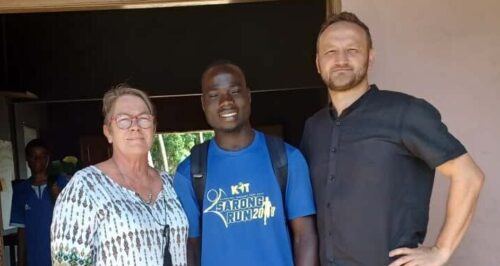
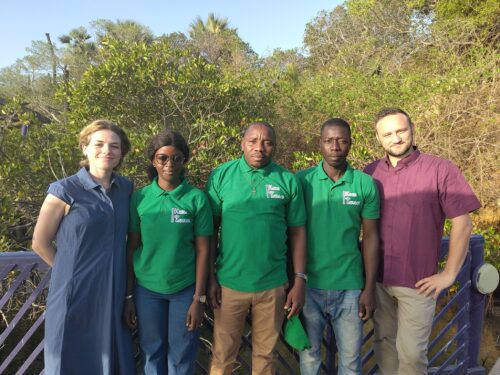
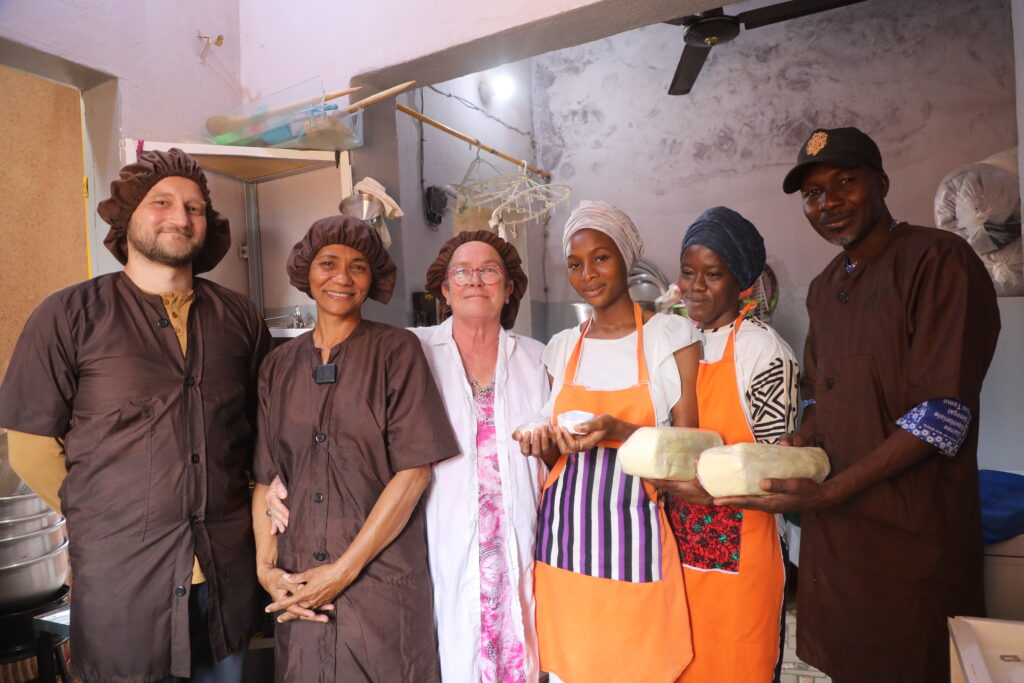
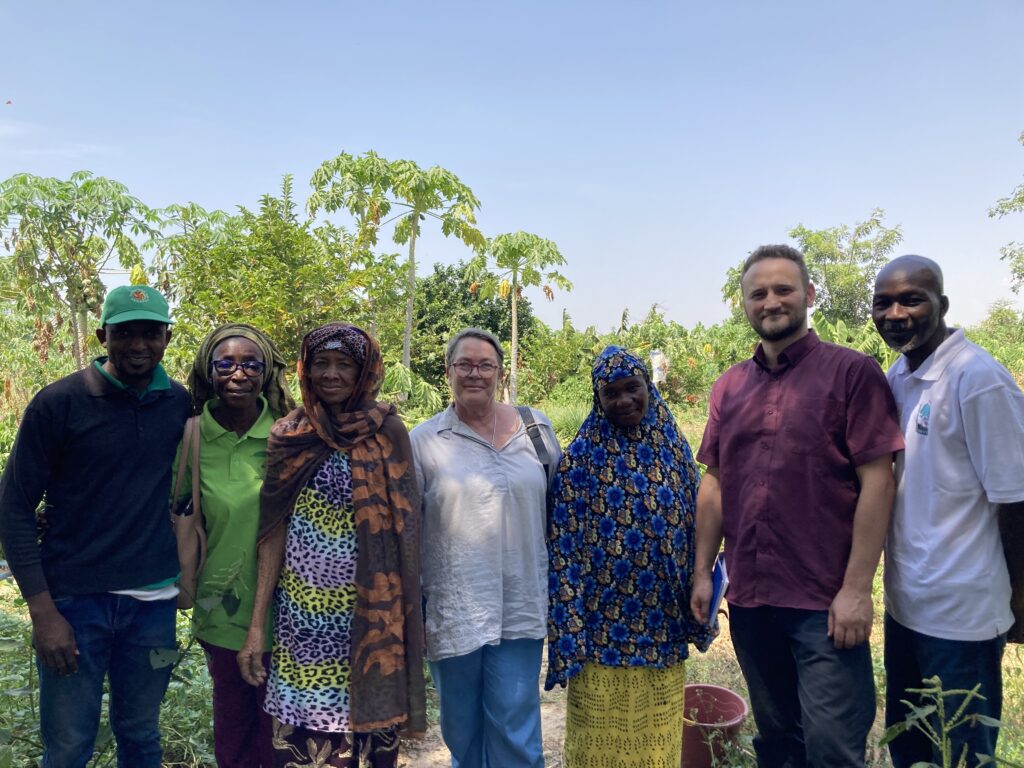
To round off an intense month, our Operations Manager Isabelle Lejeune and our Program Manager Alberto Rotundo visited Mali from October 19 to 29, to see for themselves how the project tRéseau Solidaire en Agroécologie Paysanne et Citoyenne (RESAPAC). is progressing with their partner Joeli Devenir in Bamako.
Despite the difficulties associated with the country’s tense security situation, the mission was an opportunity for the association to express its encouragement and its intention to continue the partnership established with local organizations that find themselves in a complicated situation.
Teams from the Convergence des femmes pour la Souveraineté Alimentaire (COFERSA), a partner in the PPL and Sugu Horon projects, have planned activities in which their resources will be capitalized on for mutual benefit.
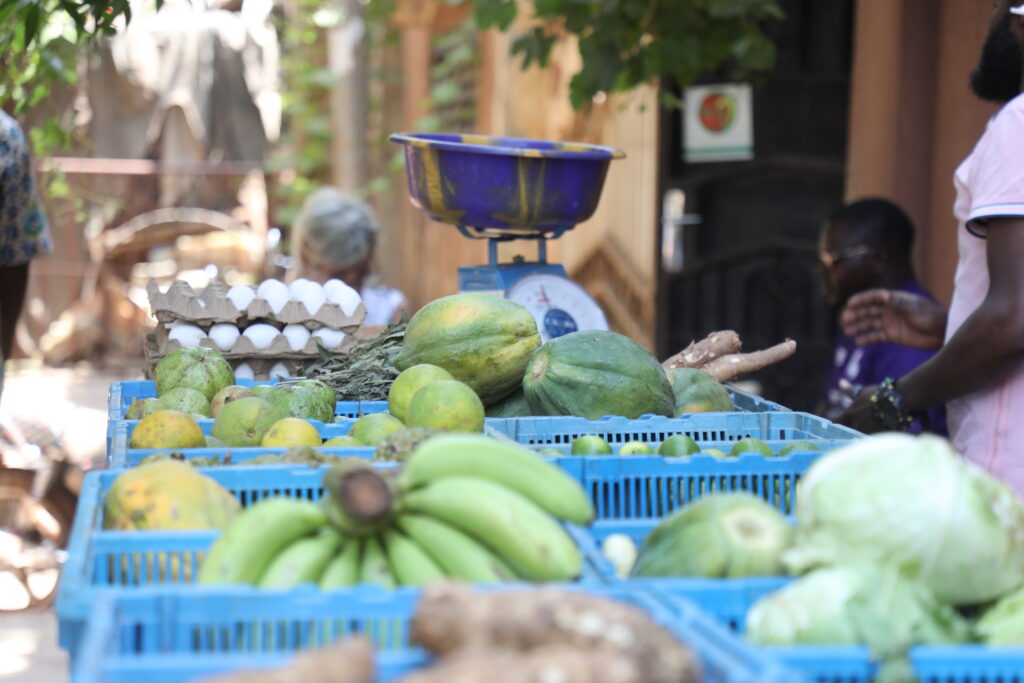
The project managers were also able to meet with beneficiaries, paying particular attention to women agro-ecological producers and processors, in order to strengthen the project at this crucial moment of transition to its second phase.
Talks were also held with potential new technical and financial partners likely to strengthen Tereo’s actions in the country. The development of close collaboration with these future partners is an absolute priority for the sustainability of our programs on the ground.
Conclusion: an expanding dynamic
The month of October was marked by strong mobilizations, rich human encounters and essential reflections on the future of agroecology and food sovereignty in West Africa. Ties between partner organizations are being strengthened, while the emancipation of rural women is playing an increasingly important role in our actions.
Coming soon on our blog: A detailed article on our work in Mali and, more broadly, on our interventions in the Sahel.